
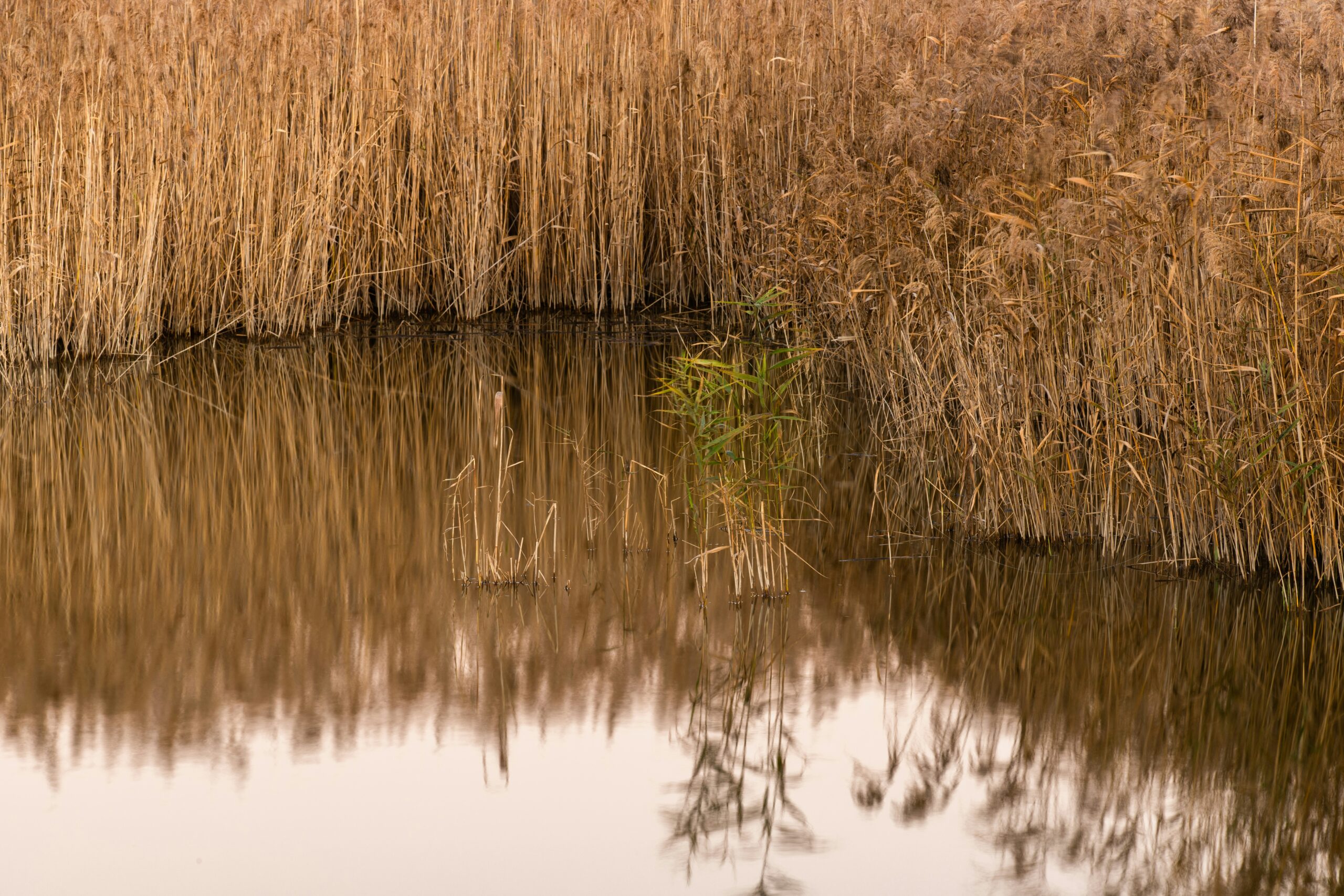
The Shepherd leads us beside still waters, the Psalmist wrote. He does not say the sheep are not grieving as they walk. This sonnet sits by those still waters with a mourner, and finds that grief and green pasture can coexist.
The Sonnet
He led me here beside the quiet lake,
Not to erase the grief I carried in,
But to allow the sorrow to partake
Of stillness, of a peace within its din.

I did not know that mourning could be led
To green pastures, could lie down without shame,
Could rest inside the ache of what has fled,
Could keep its truth and yet be called by name.

The Shepherd does not ask that I forget,
Does not require the grief to be undone,
Only that here beside the water yet,
I let Him tend the sorrow one by one.

So I will mourn beside the still lake here,
For grief and pasture both may hold me near.
Reflection
Psalm 23 is often read as a psalm for those in green places. It is also, and perhaps more truly, a psalm for those walking through the valley. The Shepherd leads through both. He does not require that we stop grieving before we come to the water. He leads us to it as we are.
There is a strange and holy possibility that grief and green pasture can coexist. The mourner is not sent away from the still waters. The mourner is invited to lie down beside them, in the presence of the Shepherd, and to let the ache be tended without being erased. This is not the false comfort that pretends the grief is over. It is the truer comfort that says the grief is welcome here, and so are you.
If you are grieving, know that the Shepherd is leading you, not around your grief, but through it, and into places where the sorrow itself is met with a strange and holy stillness.