
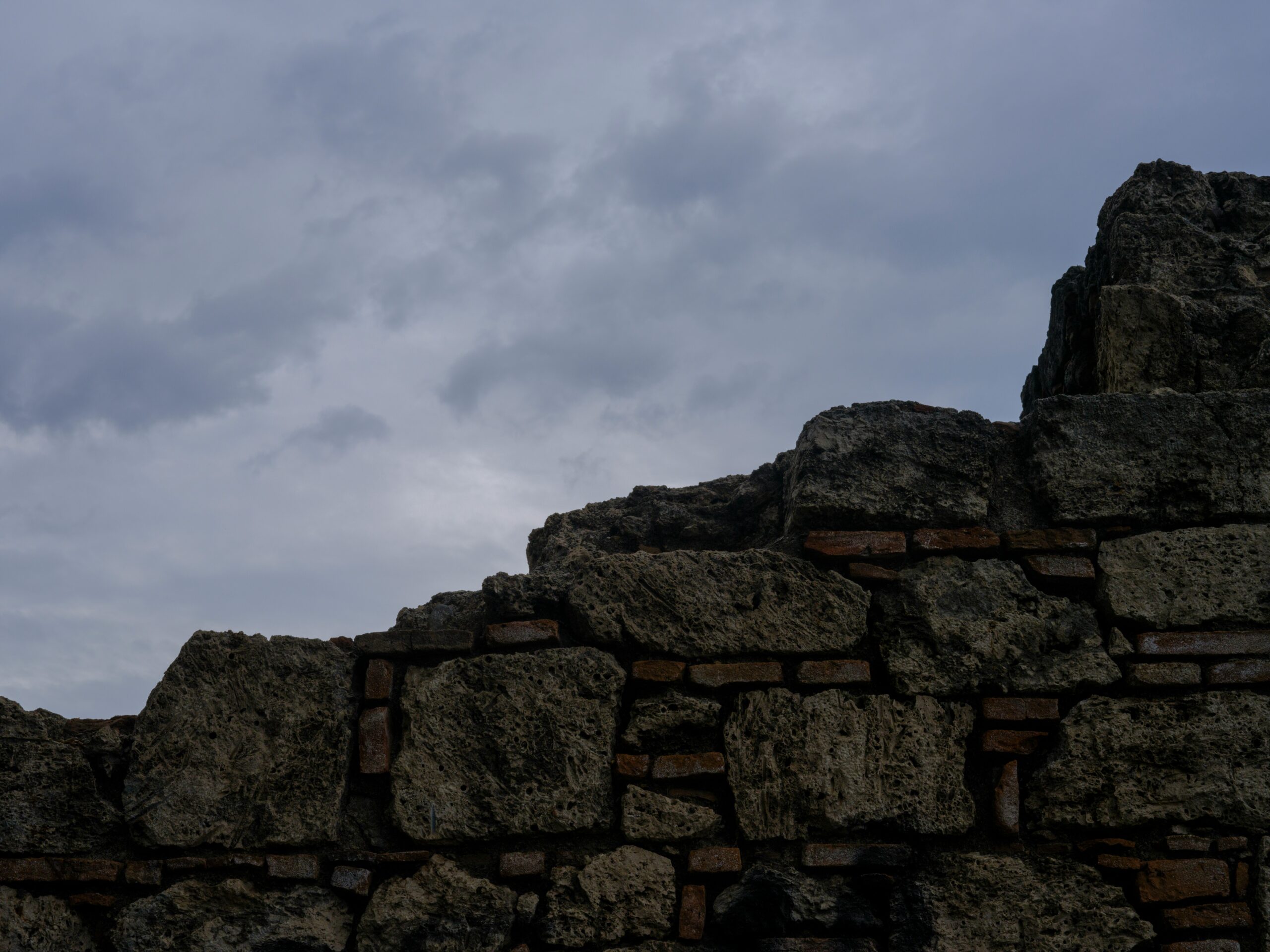
The prophet Jeremiah stood before the ruined city and wept. He did not spiritualize the loss or hurry to a hopeful ending. This sonnet sits with that older form of grief, the lament that names the ruin honestly, and the God who does not send us away from our mourning.
The Sonnet
The walls I loved are broken to the ground,
The gates I entered lie in scattered stone,
The city where the singing children found
Their joy is silent now, and left alone.

I will not sing above this ruined place,
Nor lift a false and easy hymn of praise,
Nor cover with a sentimental grace
The grief that walks these emptied, ashen ways.

And yet the prophet sat and named the loss,
And tears themselves became a kind of prayer,
And God did not refuse the honest cost,
But met the weeping with a listening ear.

So I will name what has been broken here,
And trust the God who does not fault the tear.
Reflection
The book of Lamentations is one of the strangest gifts in Scripture. It is an entire poem of grief, written by a prophet standing in the ruins of the city he loved. There is no tidy resolution. There is no hurry to hope. The grief is allowed to speak its full weight, and God has preserved it for us in the sacred text as though to say, this too belongs in the conversation between the soul and God.
Modern piety often wants to skip the lament. We want the hopeful conclusion, the encouraging turn, the reassurance that everything is fine. But the deeper tradition knows that lament is itself a form of faith. To name what has been lost, honestly and without spiritual cover, is to trust that God can hold the naming. And He can.
If you carry a loss too big for tidy words, do not tidy it. Sit with it. The God who received the prophet’s lament will receive yours, and the naming itself is a form of trust He does not despise.