Abraham was promised a land and a son and waited decades to see either. Some promises take longer than a lifetime to unfold, and some are not fulfilled in the way we expected at all. This sonnet sits with that particular grief, the loss of a promise that seemed certain, and asks what faith looks like when the promise is delayed or changes shape.
The Sonnet
I was assured this ground would come to me,
A promise spoken plain in better light,
And now the years have passed, and I still see
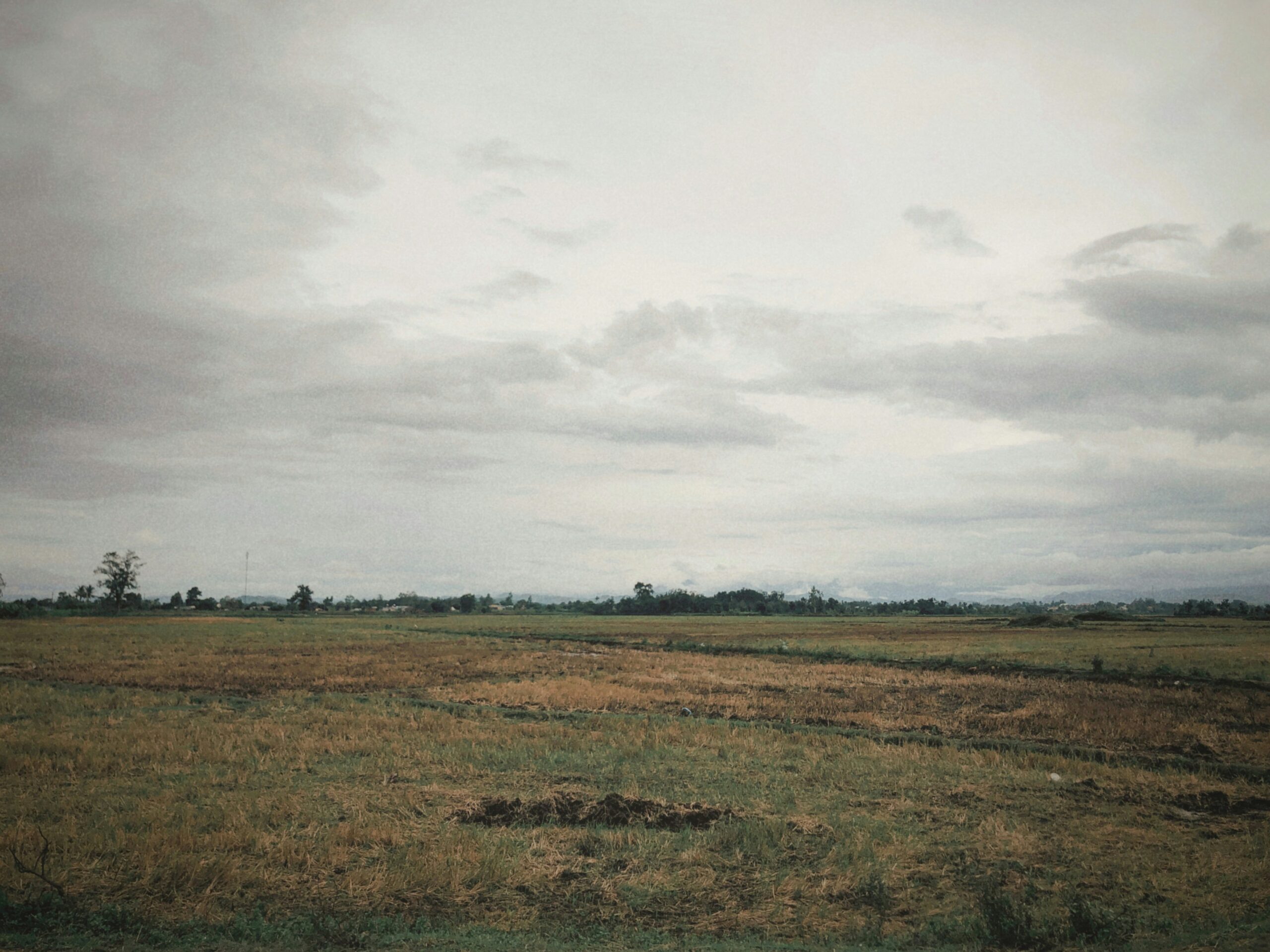
The empty field, the promise out of sight.

I do not doubt that what was said was true,
Nor call the One who spoke it a deceiver,
But I confess the waiting wears me through,
And leaves me sometimes less a bold believer.

Yet Abraham himself grew old in waiting,
And saw the promise take a stranger form
Than what he pictured in his early stating,
Yet held, through all the years, through every storm.

So I will hold what I cannot yet see,
And trust the slow unfolding still to be.
Reflection
Faith often involves promises that arrive late, or arrive differently than we expected, or in some cases, from our vantage point, never arrive at all in this life. Abraham waited twenty five years for a son. He never saw the full extent of the land promised to his descendants. He died still walking by faith rather than by sight.
This is a hard truth for those of us who want resolution now. But it is also, strangely, a comfort. The delay of a promise is not evidence that the promise was false. It may simply be evidence that the story is longer than our own lifetime, that we are living inside a larger unfolding than we can currently see the shape of. Faith, in this sense, is trusting the character of the One who made the promise even when the promise itself remains, for now, unseen.
If a promise in your life feels lost or delayed, you are in good company. Abraham waited. Hold what you have been given, trust the One who gave it, and let the waiting itself become part of the story rather than proof against it.