
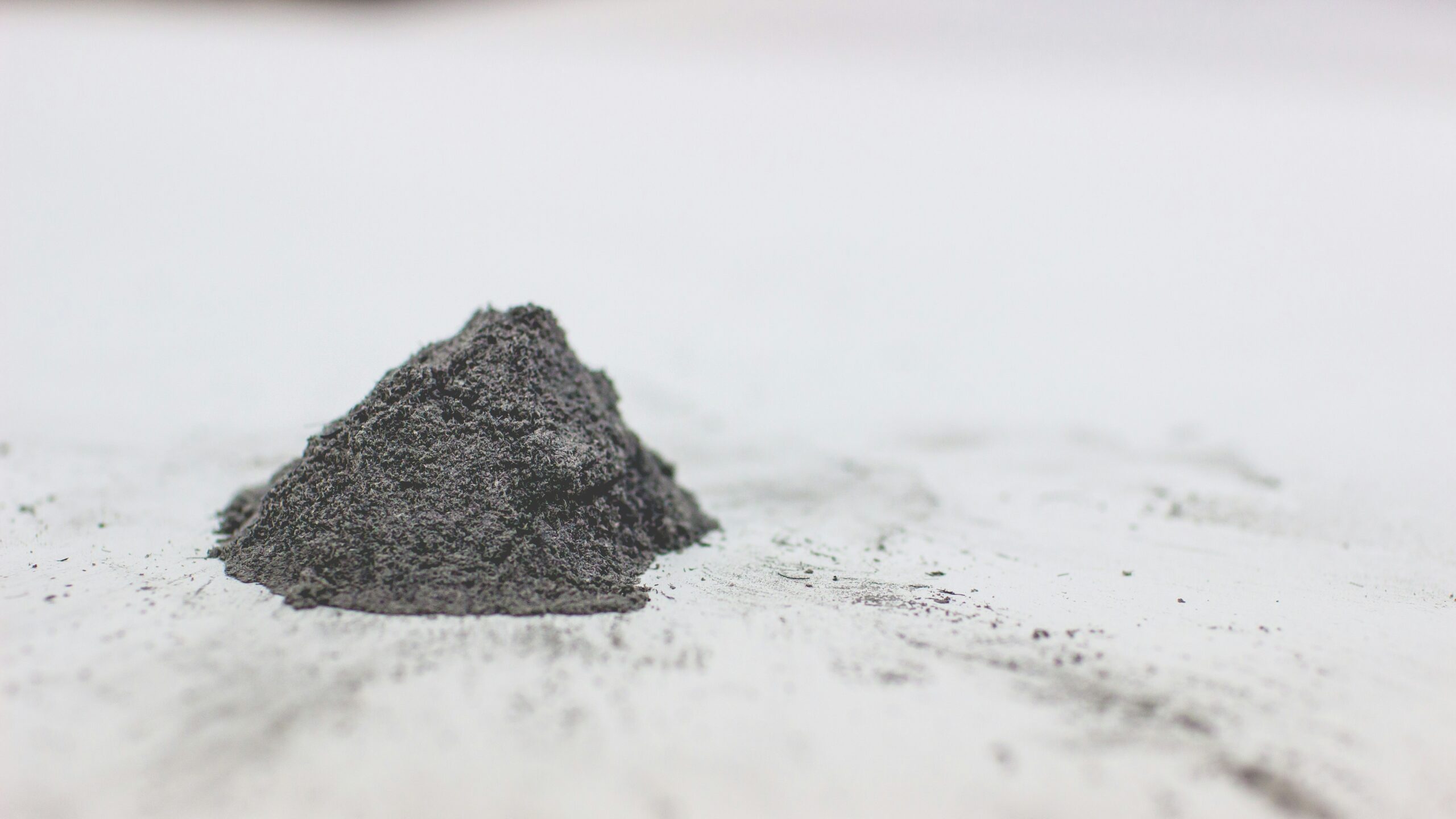
Once a year the church marks foreheads with ashes and speaks the older words. Remember that you are dust. It is a hard sentence, but a strangely freeing one. This sonnet sits with the ashes, and finds in them a truth the soul needs to hear.
The Sonnet
The ash is placed upon my quiet brow,
A smudge, a mark, a reminder small and gray,
And I am asked to face the truth of now,
That I am dust, and shall return this way.

The world would have me hide from such a fact,
Would dress it up in pleasant sunny lies,
Would make a decorative kindly act
Of what is meant to sober my proud eyes.

But I receive the ashes as a gift,
A truth the soul has needed all along,
A humbling that begins to lift and shift
The pride that kept me from a truer song.

For dust that knows its dustness can be free,
And resting in what is is where I want to be.
Reflection
There is a strange freedom in remembering that we are dust. The world tells us to pretend otherwise, to build monuments to our own permanence, to accumulate as though we would live forever. The ashes tell the truth. We are creatures. We are finite. We came from dust and we will return to it.
This is not a message of despair. It is a message of proportion. When we know we are dust, we stop carrying weights that only God can carry. We stop pretending we are the center of the universe. We find that the honesty of our creatureliness makes room for a deeper trust in the Creator, who knew what He was doing when He made us this way and who will not lose us at the end of the dust.
Receive the truth of your finitude. It is not a burden. It is a doorway into the humility that finally lets the soul rest in the One who made it.