
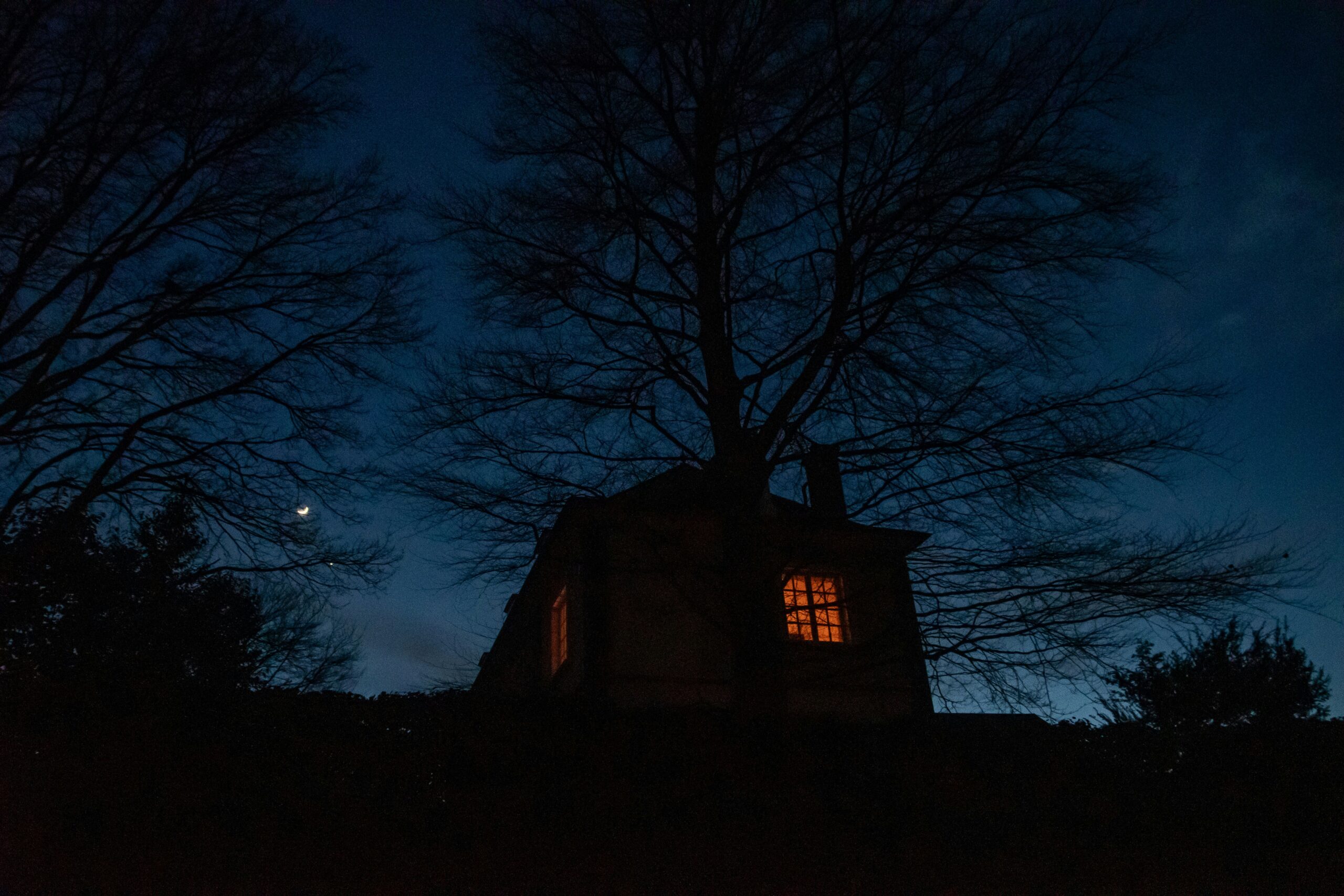
The house grows very quiet after a beloved has gone. The nights are long. Every small sound is a reminder. This sonnet sits with the widow’s night, and honors the slow, patient grief that fills the empty rooms.
The Sonnet
The house is quiet in a way it was not,
Before his footsteps left the wooden floor,
And every small familiar passing thought
Runs up against the absence at the door.

The teacup he had chosen sits alone,
His book still open on the chair he loved,
And all the little things that we had known
Are suddenly the weight I have not moved.

The night stretches on long and quiet here,
And I have learned to sit with the ache raw,
And trust that God receives my nightly tear,
And will not fault the grief the days will draw.

So I will keep the vigil of the night,
And trust the morning will bring some small light.
Reflection
Widowhood is one of the deepest griefs a human being can carry. The person we shared our life with is gone, and the house that held that life becomes a museum of small reminders. The tea cup, the reading chair, the second pillow, the sound of a familiar footstep that no longer comes down the hall. Every detail of the daily life carries the weight of the absence.
Scripture holds the widow in particular tenderness. God is described again and again as the defender of widows, the one who watches over them, the one who sees the slow and lonely grief of those whose lives have been reshaped by loss. If you are walking through this season, or love someone who is, know that the God who defends widows sees the long nights and does not turn away. The morning comes. The grief does not vanish, but it becomes, over time, more bearable, and the presence that walks with the widow through the nights is real.
If the house is quiet in a way it was not before, know this. The God who watches the sparrow watches the widow, and the long night is not walked alone. Small mercies find their way even into the quietest rooms.